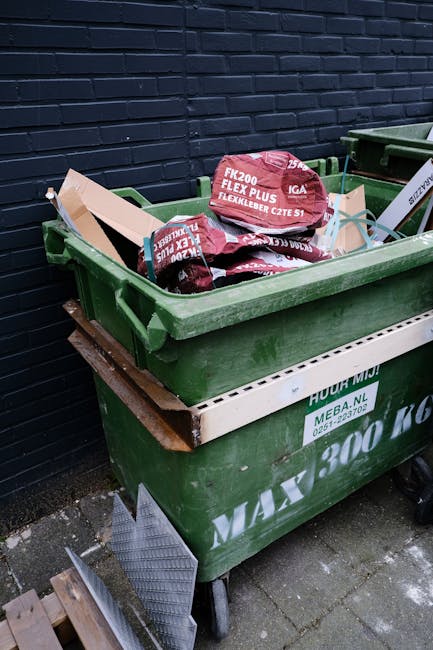
What to know about bulky rubbish collection on Chrisp Street
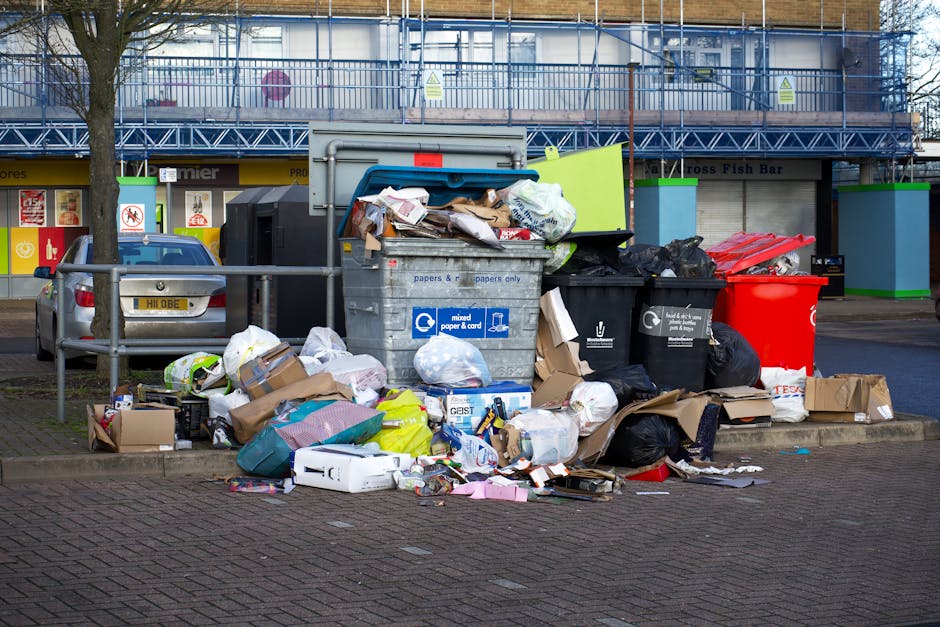
If you are trying to shift an old sofa, a broken wardrobe, or a stack of bits that have somehow multiplied in the hallway, bulky rubbish collection on Chrisp Street can feel oddly urgent. One minute the space is manageable; the next, you are stepping around an awkward pile every time you make tea. In a busy part of East London, that sort of clutter gets old fast.
This guide explains what bulky rubbish collection means, how it usually works, what to check before you book, and how to avoid the common headaches that catch people out. Whether you are clearing a flat, dealing with refurbishment waste, or just trying to get the place back under control, the aim here is simple: help you choose the right option and do it without hassle.
Truth be told, the best waste removal jobs are the boring ones. Clear plan, clear access, clear price. No drama.
Why What to know about bulky rubbish collection on Chrisp Street Matters
Chrisp Street sits in a part of London where space is at a premium, parking can be tight, and getting large waste items out of a property is not always as simple as "just put it outside." That is exactly why understanding bulky rubbish collection matters. It saves time, prevents fly-tipping mistakes, and helps you avoid leaving items in a place where they can become an eyesore or a nuisance.
Bulky waste is a broad term, and that is useful to know. It usually means items too large for normal household bins: old furniture, mattresses, broken appliances, carpets, dismantled shelving, garden items, and mixed clear-out waste. The tricky part is not the size alone. It is the handling. Can it be moved safely down stairs? Will it fit through a narrow entrance? Does it need two people, protective equipment, or a vehicle with the right loading setup?
On a street like Chrisp Street, where homes, flats, shopfronts, and shared access points can all sit close together, those questions are not minor details. They are the difference between a smooth collection and a frustrating one. And let's face it, nobody wants to spend a Saturday afternoon arguing with a wardrobe.
It also matters because waste should be dealt with responsibly. Reusable items may be suitable for donation or resale. Recyclable materials should be separated where practical. And anything hazardous needs proper care. A good bulky rubbish collection service does more than lift heavy things; it helps you move waste through the right route.
Expert summary: The smartest bulky rubbish collection on Chrisp Street is the one that matches the job to the access, the waste type, and the timing. Get those three right and everything else tends to fall into place.
How What to know about bulky rubbish collection on Chrisp Street Works
In practice, bulky rubbish collection usually starts with a description of what you need removed. You list the items, explain where they are, and note any access issues. From there, the provider decides whether a collection vehicle, a man-and-van team, a skip, a grab lorry, or another method is the best fit.
The process is often more flexible than people expect. Some jobs are a simple lift-and-load visit. Others need a bit more planning, especially in tighter streets or when waste is spread across several floors. For example, if you are clearing a top-floor flat on Chrisp Street, the team may need to factor in stair access, parking proximity, lifting difficulty, and how quickly they can move items without blocking others.
What happens next depends on the service. A rubbish removal option is usually best for mixed bulky items and smaller clear-outs. If you have a larger pile of waste, a skip hire arrangement may be more suitable. For jobs where street access is awkward but the waste is heavy, grab lorry hire can sometimes be a practical choice. It all comes down to what you are moving and how accessible it is.
The collection itself is usually straightforward: the team arrives, confirms the items, loads them safely, and removes them for sorting, reuse, recycling, or disposal. You may be asked in advance to separate hazardous items or check what can and cannot be accepted. That part matters more than most people think. A five-minute check beforehand can save a lot of back-and-forth later.
If you are comparing waste solutions, it helps to look at the nature of the job rather than only the headline price. A lower quote is not always the better option if it creates access problems, delays, or extra charges.
Key Benefits and Practical Advantages
The obvious benefit is that bulky waste disappears. But the practical value goes beyond that. When you clear large items properly, you reclaim usable space, reduce trip hazards, and make the property easier to clean, show, rent, sell, or use again.
Here are the main advantages people tend to notice:
- Faster clearance: A single collection can remove several large items in one go.
- Less physical strain: You avoid dragging heavy furniture downstairs or trying to wedge a mattress into a small car. A relief, honestly.
- Cleaner access: Removing bulky items clears hallways, landings, and communal areas.
- Better presentation: Useful if you are preparing a home, rental property, or business premises.
- More responsible disposal: Items can be sorted for recycling or reuse where possible.
- Reduced risk: Professional handling lowers the chance of damage to walls, floors, lifts, or stairwells.
There is also a less obvious benefit: peace of mind. A cluttered room can quietly weigh on you. Once the bulky waste is gone, the whole place often feels lighter. You notice the floor again, the light coming in differently, even the echo in an empty room. Small thing, maybe. But it matters.
Who This Is For and When It Makes Sense
Bulky rubbish collection on Chrisp Street makes sense for a wide range of people. It is not only for major clear-outs or renovation jobs. In fact, many of the most common calls come from ordinary situations that have become awkward.
You may need it if you are:
- clearing out a flat after a move
- getting rid of a sofa, mattress, wardrobe, or bed base
- emptying a loft, garage, or storage space
- refreshing a rental property between tenants
- dealing with broken appliances or damaged furniture
- removing waste from a minor refurbishment or DIY project
- sorting out accumulated clutter in a home or business setting
It also makes sense when time is tight. If you have a move-out deadline, a letting inspection, or family arriving at short notice, waiting around for a perfect weekend that never comes is not especially practical. Same-day or short-notice options can be useful in those situations, provided access and waste type are suitable.
People sometimes assume bulky collection is only for people with large amounts of waste. Not really. Even one awkward item can justify professional help if it is heavy, damaged, or difficult to move safely. A fridge down two flights of stairs is not "just one item." It is a mini project.
If the job involves a mix of larger household items, house clearance services may also be worth considering. For furniture specifically, mattress and sofa disposal can be a neat solution when those items are the main problem.
Step-by-Step Guidance
If you want the smoothest possible collection, a little preparation goes a long way. Here is a practical way to handle it.
- List everything to be removed. Include approximate sizes, quantities, and whether any items are especially heavy or awkward.
- Check access carefully. Think about stairs, lifts, narrow hallways, locked gates, parking, and loading distance.
- Separate what should stay. It sounds obvious, but mistakes happen when clear-outs get busy and boxes start blending together.
- Identify anything restricted. Batteries, paint, chemicals, fridges, freezers, and electricals may need special handling.
- Choose the right collection method. A small pile may suit direct removal; a larger or mixed load may suit a skip; heavy, loose waste may suit a grab lorry.
- Confirm timing and parking. On a busy street, a few minutes of planning can prevent a lot of awkward shuffling.
- Prepare the items. Where safe, remove loose contents, empty drawers, and dismantle furniture to make lifting easier.
- Ask about sorting and disposal. A good provider should be able to explain whether the waste will be recycled, reused, or disposed of.
- Keep the route clear. Shoes, plant pots, bikes, and random hallway bits love to appear at the worst moment.
- Do a final walkthrough. Check cupboards, under beds, sheds, and corners before the team leaves.
One practical tip that gets overlooked: take a quick phone photo of the items before booking. Not because anyone expects trouble, but because photos help avoid misunderstandings, especially if the waste is mixed or spread across different rooms.
If you have a job that is more complex than it first looks, a service such as man and van can be useful for lighter clear-outs, while wait and load skip hire can work when parking is limited and you need the waste loaded quickly. Different tools, different jobs. Simple enough, really.
Expert Tips for Better Results
Over the years, one thing becomes very clear: the jobs that go well are usually the ones that were thought through before anyone turned up. Here are a few tips that genuinely help.
- Measure the awkward items. A wardrobe, mattress, or appliance can look manageable until it reaches the stair landing.
- Group waste by type. Furniture, green waste, electricals, and construction debris are easier to handle when they are not all mixed together.
- Photograph access points. If your entrance is tucked around the back or the parking is tight, a photo can help the team plan more accurately.
- Use protective wrapping where needed. Particularly for items that may scrape walls or shed debris.
- Ask about recycling first. If you care about sustainability, it is worth checking what can be diverted from landfill.
- Plan around the day's rhythm. Mid-morning often works better than peak commuting times, especially on busier streets.
Here is a small but useful insight: the best collection quote is often the one that reflects reality, not optimism. If access is tight, say so. If the lift is out of service, say so. If the item has been partially dismantled and now looks like a small pile of regret, say that too. It all helps.
For jobs involving furniture and mixed household clutter, domestic skip hire can be worth comparing against direct removal, especially when the volume is moderate and you can spare the space for a skip. For larger household decluttering projects, garage and loft clearance can also support the process.
Common Mistakes to Avoid
Most problems with bulky rubbish collection are avoidable. That is the good news. The less good news is that people keep making the same few errors.
- Underestimating the volume: A handful of items can turn into a full load once moved into the open.
- Ignoring access issues: Narrow staircases, low ceilings, and tight corners can slow everything down.
- Mixing restricted waste with general waste: Some items need separate handling and cannot simply be loaded together.
- Forgetting about parking: If a vehicle cannot get close enough, the job becomes slower and potentially more expensive.
- Leaving sorting until collection day: This causes delays and can create extra handling work.
- Assuming all waste can go in one place: Reuse, recycling, and disposal all have different routes.
Another common issue is leaving the item outside "just for a bit" and hoping for the best. On Chrisp Street, that is not a great strategy. Weather, passers-by, and local foot traffic can turn a temporary pile into a problem quickly. Better to arrange a proper collection and be done with it.
Also, do not forget the small stuff. Loose screws, brackets, and broken handles often get left behind. They are easy to miss and annoying to step on later. Tiny things, big irritation.
Tools, Resources and Recommendations
You do not need specialist equipment for every bulky waste job, but a few simple tools make life easier.
- Measuring tape: Useful for checking whether large items can be moved through doors or along corridors.
- Strong gloves: Good for handling rough edges, splintered wood, or dusty items.
- Camera phone: Handy for documenting the waste before booking and confirming access points.
- Trolley or sack truck: Useful for heavier items if the route is clear and safe.
- Dust sheets or protective covers: Helps keep floors and walls cleaner during removal.
- Labels or tape: Useful if you are separating keep, donate, recycle, and remove piles.
From a service perspective, it is worth reviewing a few related options before deciding. If your project includes mixed construction debris, construction waste disposal may fit better than a general household collection. If the job is more site-based or involves larger volumes, site clearance could be the better match.
You may also want to read through what can go in a skip before booking. It is one of those pages that saves a lot of confusion later, especially if you are not sure about mixed waste, electricals, or bulky household items.
For pricing context, skip sizes and prices is helpful when you are comparing volume-based options. And if you want to understand how the business approaches sorting and diversion, recycling and sustainability gives a useful overview.
Law, Compliance, Standards, or Best Practice
Waste removal in the UK is not something to treat casually. You do not need to be a legal expert to book a collection, but it helps to understand the basics. The key principle is simple: waste should be handled safely and passed to a responsible carrier or disposal route.
In practical terms, that means you should check that the service you use is legitimate, insured where appropriate, and clear about what it can and cannot take. If you are dealing with items that may be hazardous, such as certain chemicals, gas cylinders, or damaged electrical units, those need special care. Do not just throw them into a mixed load and hope for the best. That is the sort of shortcut that causes trouble.
It is also sensible to think about site safety. Heavy items can injure the people moving them, scratch floors, or damage shared areas. Good practice includes clear communication, safe lifting, and planning the route before the job starts. If a company provides health and safety policy and insurance and safety information, that is a reassuring sign. Not flashy, just sensible.
For tricky waste streams, hazardous waste disposal exists for a reason. And for appliances, a dedicated service like fridge and appliance removal can help avoid mishandling items that need extra care. Compliance is not about being precious. It is about doing the job properly and leaving no mess behind.
Options, Methods, or Comparison Table
There is more than one way to deal with bulky waste on Chrisp Street. The right choice depends on quantity, access, timing, and the type of rubbish involved. Here is a practical comparison.
| Method | Best for | Advantages | Things to watch |
|---|---|---|---|
| Direct rubbish removal | Single items or mixed household bulky waste | Quick, flexible, little setup | Can be less efficient for larger volumes |
| Skip hire | Ongoing clear-outs, renovations, larger mixed loads | Good capacity, useful for staged loading | Needs space and may involve permits depending on placement |
| Wait and load | Areas with limited parking or no long-term placement space | Fast turnaround, avoids leaving a skip on site | Requires prepared waste and quick loading |
| Grab lorry hire | Heavy, loose waste or larger piles with good loading access | Handles bulky material efficiently | Not ideal for very constrained access routes |
| Man and van | Light to moderate clear-outs, flat moves, mixed household items | Flexible and often convenient for smaller jobs | May not suit very large or heavy volumes |
If you are not sure which method fits, think about the choke point in the job. Is it weight, quantity, access, or time? That usually gives away the answer. For example, a single broken wardrobe in a second-floor flat may be a rubbish removal job; a refit with plasterboard, timber, and packaging is more likely to need skip-based support. Different mess, different method.
For larger commercial or trade-led jobs, commercial skip hire and builders waste removal may be a better fit than a one-off domestic approach. If the waste is very heavy or part of a bigger excavation or clearance project, muck away services could also be relevant.
Case Study or Real-World Example
Here is a realistic example. A resident on Chrisp Street is moving out of a small flat and has a sofa, two wardrobes, a mattress, and a handful of broken shelving panels to remove. The hallway is narrow, the lift is not ideal for large flat-pack pieces, and the street outside is busy by late morning.
At first, the resident considers dragging everything down in stages with a friend. That sounds doable until the sofa meets the stair bend. It rarely ends well. Instead, they arrange a bulky rubbish collection, send photos in advance, and mention that access is tight and parking is limited. The provider suggests a timed visit and asks for the items to be placed as close to the exit as safely possible.
On the day, the team arrives, checks the route, and loads the items quickly. One wardrobe has been partly dismantled, which helps a lot. The mattress goes first because it is the most awkward to carry. The whole thing takes less time than the resident expected, and there is no need to block the shared landing for hours. Simple, efficient, done.
The lesson? Clear communication makes the biggest difference. Not fancy equipment, not clever tricks. Just accurate information upfront and a realistic plan.
Practical Checklist
Use this quick checklist before your collection day. It keeps the job calm, and calm is underrated.
- List all bulky items that need removing
- Check whether any item is hazardous or restricted
- Measure large or awkward furniture
- Confirm access points, stairs, lifts, and parking
- Separate items to keep, donate, recycle, or remove
- Take clear photos of the waste if useful
- Ask which collection method is most suitable
- Prepare the route from the property to the pickup point
- Remove loose contents and small pieces where safe
- Do a final check of cupboards, loft areas, and corners
Quick takeaway: If you can describe the waste clearly, access accurately, and timing honestly, you are already ahead of most people booking a collection.
Conclusion
Bulky rubbish collection on Chrisp Street is really about making a difficult job feel manageable. Once you understand the waste type, the access, and the right removal method, the rest becomes much easier. You do not need to overthink it. You just need a practical plan that fits the property and the load.
For some people that means a fast one-off removal. For others it means comparing skip hire, wait and load, or a more tailored clearance approach. Either way, the goal is the same: remove the clutter safely, responsibly, and without turning the day into a saga.
Get a free quote today and see how much you can save.
And if all you do after this is measure the awkward wardrobe once, that is still a win. One good decision, and the room already starts to breathe again.
Frequently Asked Questions
What counts as bulky rubbish on Chrisp Street?
Bulky rubbish usually means items too large for normal household bins, such as sofas, mattresses, wardrobes, tables, white goods, and similar large household waste. It can also include mixed clear-out items if they are awkward to move or need more than a standard bin collection.
Can I leave bulky items on the pavement for collection?
Not without checking the proper route first. Leaving waste out informally can cause obstruction or create a fly-tipping issue. It is better to arrange a proper collection and follow the agreed instructions for placement and timing.
Is bulky rubbish collection better than skip hire?
It depends on the job. Collection works well for single items or smaller mixed loads, while skip hire is often better for larger projects or waste that you want to load over time. If access is tight, the better option may be the one that causes less disruption on site.
How do I know which collection method I need?
Think about volume, weight, access, and timing. If the waste is already gathered and ready to load, direct removal or wait and load may be enough. If the clear-out will take a few days, a skip might be more practical. When in doubt, describe the waste clearly and ask for advice.
Do I need to sort items before the collection?
It helps a lot, though you do not always need to sort everything perfectly. Separating furniture, electricals, and any restricted items makes the job easier and can improve recycling outcomes. A little organisation saves a lot of faffing about later.
What if I have a fridge, freezer, or other appliance?
Appliances often need specific handling because of their size and materials. A dedicated fridge and appliance removal service is usually the safer option. It is best to check in advance rather than assume it can go with general bulky waste.
Can bulky waste be recycled?
Often, yes, at least in part. Wood, metal, some plastics, cardboard, and certain appliances may be recyclable depending on their condition and composition. Reuse is also possible for some items that are still in good shape.
How much notice do I need to give?
That depends on demand and the type of service. Some jobs can be arranged quickly, while larger or more complex collections benefit from more notice. If you need same-day help, be prepared to share access details and item photos quickly.
What should I do if access is tight on my street or in my building?
Tell the provider early. Tight access can affect the vehicle choice, the loading method, and the timing. A narrow staircase, poor parking, or a blocked lift is not a disaster, but it does need to be planned for properly.
Are there items that cannot be collected with general bulky waste?
Yes. Certain hazardous or specialist items may require separate handling, such as chemicals, some electronics, gas-related items, or contaminated waste. If you are unsure, ask before booking so the collection team can advise you properly.
Is bulky rubbish collection suitable for landlords and letting agents?
Yes, very much so. It can be a practical way to clear items between tenancies, after move-outs, or during property refreshes. For larger clearances, a structured plan is useful because timing and access are often tighter than people expect.
What is the biggest mistake people make?
Underestimating the job. People often assume bulky waste is just a quick lift-and-go, then realise the access is awkward, the item is heavier than expected, or the waste includes things that need separate handling. A realistic assessment at the start saves most of the problems.