East India Dock Road waste clearance guide for tight access jobs
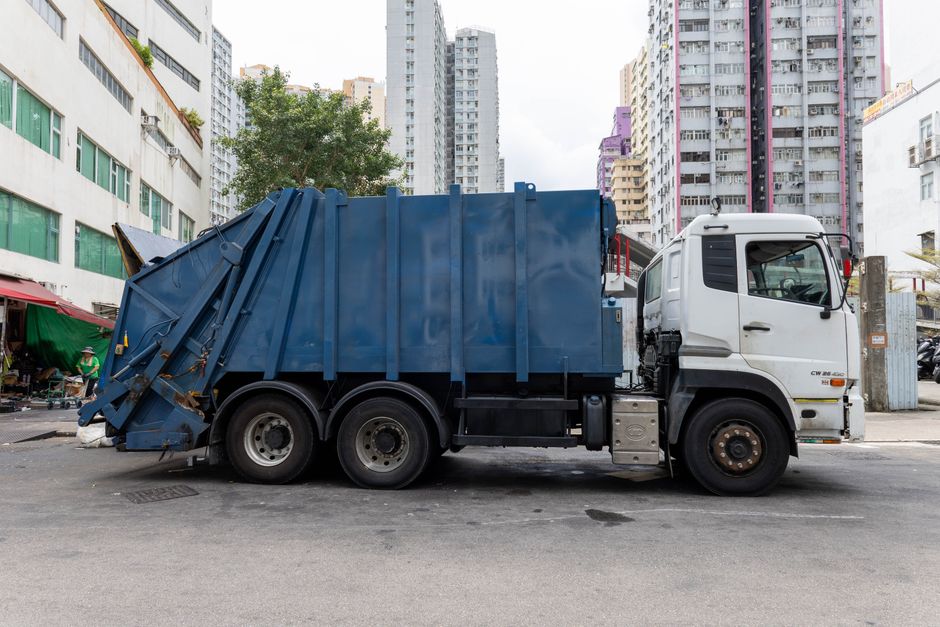
If you are trying to clear waste on East India Dock Road, you will already know the awkward part is rarely the rubbish itself. It is the access. Narrow entrances, shared courtyards, parking pressure, side streets with limited turning space, and the usual London "just a minute" that turns into twenty. This East India Dock Road waste clearance guide for tight access jobs is here to make the job easier, safer, and far less stressful.
Whether you are dealing with builders' rubble, household clutter, office waste, or a pile of mixed material after a refurbishment, the right clearance method can save time and reduce disruption. In the pages below, you will find a practical breakdown of how tight-access clearance works, what to plan for, which service type fits which job, and how to avoid the mistakes that cause delays. Simple enough. But there is a bit of judgement involved, too.
For readers who want a fuller view of disposal options, it can also help to look at skip hire, wait and load skip hire, grab hire services, and rubbish removal as part of the decision process. Different access conditions call for different approaches, and that is exactly what this guide helps you work out.
Why East India Dock Road waste clearance guide for tight access jobs Matters
Tight access jobs are not just "small jobs". They are jobs with constraints. On East India Dock Road, that can mean restricted kerb space, awkward loading points, pedestrian movement, nearby businesses, and the need to avoid blocking entrances. In practice, the same pile of waste can be straightforward in one location and messy in another simply because a lorry cannot get close enough.
That matters for three reasons. First, access affects cost and timing. Second, it affects safety. Third, it affects the disposal method you should choose. Let's face it, the wrong setup can create a headache before the first sack is lifted. A clearance plan that suits a wide open site might be a poor fit for a basement flat, a rear yard, or a narrow mews-style entrance.
There is also the local reality of London traffic. Even a short delay can ripple through the whole day. So the more carefully you plan the route, the collection point, and the loading method, the better the result. That is especially true if you need a same-day solution from same day skip hire or a flexible approach such as man and van.
Key takeaway: tight access clearance is less about brute force and more about matching the waste, the space, and the vehicle to each other. Get that right and the whole job becomes calmer, quicker, and usually cleaner too.
How East India Dock Road waste clearance guide for tight access jobs Works
The process usually starts with a simple question: can a vehicle get close enough to collect the waste directly, or will the waste need to be moved by hand to a more practical loading point? That single detail often determines the best service type.
For a normal access job, a skip may be dropped as near as possible to the property. For a tight access job, the team may need to use a smaller skip, a wait-and-load arrangement, or a vehicle-based collection method. In some cases, a grab lorry is ideal because it can reach over walls, fences, or awkward boundaries from the roadside. In others, a smaller team and manual loading make more sense.
A typical tight-access clearance on or around East India Dock Road might work like this:
- Assess the access: gates, width, height restrictions, parking, turning space, and safe walking routes.
- Identify the waste type: mixed rubbish, construction debris, bulky items, green waste, confidential material, or heavy inert waste.
- Choose the method: skip hire, wait and load, grab hire, or direct rubbish removal.
- Plan timing: early slot, off-peak loading, or a collection window that avoids the busiest periods.
- Load safely and sort waste where required for recycling or special handling.
- Remove waste promptly so the area is left usable and tidy.
The method matters because not every solution suits a narrow access point. For instance, wait and load skip hire can work well if you can load quickly from the roadside, while grab lorry hire can be better where reach is the issue rather than sheer volume.
If waste is mostly from a refurbishment or construction task, the job may sit better with builders waste removal or construction waste clearance. That is where a bit of practical thinking saves a lot of backtracking.
Key Benefits and Practical Advantages
Choosing the right clearance method for tight access is not just about convenience. It can genuinely improve the quality of the job.
- Less disruption: fewer vehicle movements, less time blocking access, and less disturbance for neighbours or businesses.
- Safer handling: waste is moved in a controlled way instead of being dragged through awkward spaces in a rush.
- Better cost control: the right method reduces wasted labour, failed collections, and repeat visits.
- Cleaner finish: a tidy site is easier to leave in good order, especially on residential streets or shared access routes.
- More flexibility: smaller vehicles or manual loading can adapt to the site, rather than forcing the site to suit the vehicle.
There is also a hidden benefit people often overlook: peace of mind. If you have ever watched a large vehicle try to reverse into a tight opening while someone stands nearby saying "it should fit", you will know why a sensible plan is worth it. Not glamorous, but very useful.
For some jobs, extra containment helps. If waste must stay secure before collection, enclosed and lockable skip hire may be the better choice. For mixed domestic load-outs, domestic skip hire can still be suitable if the access is carefully measured first.
Who This Is For and When It Makes Sense
This guide is especially useful for anyone working in a space where access is more awkward than average. That includes basement flats, small front gardens, rear service yards, loading bays, terraces with limited frontage, and commercial units where access is shared or time-restricted.
It is relevant for:
- homeowners clearing out furniture, bagged rubbish, or renovation waste
- landlords handling end-of-tenancy clearances or bulky items
- tradespeople on small refurb jobs or light construction work
- office managers clearing desks, filing, and general commercial waste
- site teams managing waste from demolition, strip-out, or clearance work
It also makes sense when access is technically possible, but only just. You know the sort of job: the vehicle can probably get there, but only if nobody parks badly, the gates are held open, and everything goes to plan. Which, to be fair, is not always how London days behave.
For offices and business premises, office clearance and commercial skip hire may be more suitable than a generic one-off collection if the volume is significant. For household clearances, you might also compare house clearance and garage and loft clearance depending on the type of waste involved.
Step-by-Step Guidance
If you want the job to go smoothly, follow a sequence rather than trying to solve everything on the day. A bit of prep makes a large difference.
1. Measure the access properly
Check gate widths, height restrictions, corridor widths, ceiling obstructions, and turning space. If a wheelie bin has to pivot through three doorways and a narrow passage, a large container probably will not help. Take notes. A quick phone photo is useful too.
2. Work out the waste type and weight
Rubble, soil, plasterboard, mixed household waste, and bulky furniture all behave differently. Heavy inert waste may be fine in smaller volumes, while light but bulky material can fill space very quickly. If you are unsure what can be loaded together, what can go in a skip is worth reviewing before you start.
3. Choose the right method
For very tight access, a skip may not be the best solution. If loading can happen quickly from the roadside, wait-and-load may work well. If material is awkward to move by hand but a lorry can reach over an obstacle, a grab service may be more efficient. If the job is mainly furniture or small volumes, man and van collection can be the simplest route.
4. Reserve parking or plan a safe stopping point
Parking is often the hidden issue. On busy stretches, a perfectly workable collection can go sideways if the vehicle has nowhere safe to stop. That is why planning the collection window matters. Early morning is often calmer than the middle of the day, though local conditions can vary.
5. Prepare the waste before arrival
Bag loose waste, separate obvious hazardous items, and keep access routes clear. If the team has to spend the first half hour moving a plant pot, an old bike, three bags of rubble, and a mystery box full of damp cardboard, the job is already slower than it needed to be. It happens. Often.
6. Confirm what is excluded
Some materials need special handling. Fridges, electrical items, confidential paper, and certain hazardous materials should be discussed in advance. If needed, services such as fridge and appliance removal, confidential shredding, or hazardous waste disposal may be the right fit.
7. Keep the loading area tidy
A clean loading point helps the work move faster and reduces the chance of damage. Sweep loose grit, keep doorways free, and make sure nothing is left where someone could trip. It sounds basic because it is basic, but basic done well is gold here.
Expert Tips for Better Results
In our experience, the jobs that run best are the ones where the access plan is treated as seriously as the waste plan. That means looking at the practical details, not just the price.
- Take measurements twice. A few inches can decide whether a container fits or not.
- Check the surface. Uneven paving, soft ground, or steep gradients can complicate loading and vehicle positioning.
- Think about neighbours. Shared driveways and communal entrances need a little courtesy and a little communication.
- Use smaller loads if needed. Two controlled collections can be better than one ambitious one.
- Ask about recycling separation. Sorting waste properly can improve recovery and reduce mixed load issues.
- Allow for the unexpected. A locked gate, a parked van, or a missed delivery can all slow things down. It is normal, frustrating, and not the end of the world.
If your waste is mostly rubble or spoil from a project, methods like muck away services can be more appropriate than a standard collection. For heavier construction work, builders skip hire or construction waste disposal may fit better depending on space.
One more thing: if the site feels difficult on paper, it usually feels more difficult on the day. So be honest in the planning stage. Understating access problems is a classic mistake. Simple, but common.
Common Mistakes to Avoid
Tight access jobs usually go wrong for predictable reasons. The good news is that most of them are avoidable.
- Not measuring access properly: guessing the width of a gateway is how people end up with a delivery that cannot enter.
- Choosing the wrong vehicle type: a large skip is not always a better skip.
- Ignoring parking and stopping space: if the vehicle cannot stop safely, the job stalls.
- Mixing restricted items with general waste: this can create delays or extra charges.
- Leaving everything for the collection day: pre-sorting saves time and reduces confusion.
- Assuming a permit is not needed: if the container must sit on a public road, a permit issue may arise, so it is sensible to check in advance.
Some jobs are also simply too awkward for a standard skip. In those cases, the better call may be rubbish removal or man and van rather than forcing a skip where it does not really belong. That is not a failure. It is just the right tool for the job.
And yes, people sometimes forget that a narrow alley stays narrow even after you have loaded all your optimism into the van.
Tools, Resources and Recommendations
You do not need specialist engineering software to plan a clearance job, thankfully. A few practical tools are enough for most people.
- Measuring tape: use it on gates, side returns, and the intended loading point.
- Phone camera: photos help explain the access to a provider and reduce misunderstandings.
- Simple site sketch: even a rough hand-drawn plan can be surprisingly useful.
- Gloves and sturdy footwear: basic protection for anyone helping move waste.
- Dust sheets or board protection: useful indoors if items are being carried through a property.
- Bagged sorting system: keep recyclables, mixed waste, and special items separate where possible.
For pricing conversations, it helps to compare the likely methods before you book. skip sizes and prices can give you a sense of container choice, while pricing and quotes is useful when you want a more tailored view. If you expect strict timing or a same-day turnaround, check same day skip hire early because availability can change quickly.
If access is especially constrained, ask whether a collection can be planned as a short, direct operation rather than a full site drop. That tiny adjustment often avoids the biggest frustration. It is a bit like ordering the right size coffee cup before the spill happens.
Law, Compliance, Standards, or Best Practice
For waste clearance in the UK, the key expectation is that waste is handled responsibly and transferred to an authorised carrier or facility. You do not need to become a legal expert to arrange a clearance, but you should expect the provider to work in line with standard waste handling practice.
For tight access jobs, safety and control matter just as much as disposal. That usually means:
- keeping access routes clear of trip hazards
- loading in a way that avoids damage to property or shared areas
- separating waste types where required
- handling restricted items separately
- ensuring the vehicle is positioned safely and legally
If a skip is to be placed on a public road, permit rules may apply. Rather than guessing, it is better to check the situation early and speak to a provider who can advise on skip hire permits or skip permits where relevant. Permit needs can vary by location and access, so cautious planning is the sensible move.
For sensitive material, use a service designed for the task. Office paper should not be mixed casually with general waste if it includes confidential information. Likewise, electricals, appliances, and potentially hazardous items deserve separate handling. Best practice here is not complicated. It is just careful.
It is also wise to choose a company that is clear about its procedures. Reading pages such as health and safety policy, insurance and safety, and recycling and sustainability gives you a better sense of how seriously the operation is run.
Options, Methods, or Comparison Table
When access is tight, the best method depends on what needs removing and how much room you have to work with. The table below gives a practical comparison.
| Method | Best for | Strengths | Watch-outs |
|---|---|---|---|
| Skip hire | Moderate waste volumes with enough space for delivery | Simple, familiar, good for ongoing loading | Needs suitable access and may need a permit if roadside |
| Wait and load | Tight spaces where a drop-off is not practical | Fast, no long-term container obstruction | Requires efficient loading and good preparation |
| Grab hire | Waste that can be reached from the roadside | Useful reach, efficient for bulky or heavy waste | Needs overhead and roadside clearance |
| Man and van | Smaller clearances, mixed household items, awkward interiors | Flexible, personal, good for access-led jobs | May take longer for large or very heavy loads |
| Rubbish removal | General waste where you want a quick collection | Convenient and straightforward | Best if the waste is already gathered and easy to move |
There is no single winner. A tidy flat clearance may suit man and van collection, while a small renovation project near East India Dock Road might be better with wait-and-load or grab hire. The right answer is the one that fits the site, not the other way round.
Case Study or Real-World Example
Picture a small refurbishment job near East India Dock Road. The property has a narrow frontage, a shared path, and limited room for any large vehicle to stop. The waste includes broken plasterboard, old skirting, bagged rubble, packaging, and a couple of awkward bits of timber.
At first glance, a standard skip seems like the obvious answer. But once the access is measured, it becomes clear the container would either block too much space or be difficult to deliver safely. So the plan changes. The team separates the waste beforehand, bags the lighter material, and uses a collection method that allows quick loading without leaving a container in place.
The result is not dramatic. No big speech. No ceremonial moment. Just a job done without scraping walls, blocking access for neighbours, or turning the pavement into a temporary obstacle course. That is what good access planning looks like. Quietly effective.
For a different scenario, imagine a landlord clearing a flat after a tenancy with furniture, mixed rubbish, and a fridge. In that case, a combination of mattress and sofa disposal, fridge and appliance removal, and maybe a general collection is often more practical than one container trying to do everything. The principle is the same: match the service to the reality on site.
Practical Checklist
Use this checklist before booking anything for a tight-access clearance.
- Measure the narrowest access point.
- Check for overhead restrictions such as cables, branches, or canopies.
- Identify whether the waste is general, heavy, bulky, confidential, or hazardous.
- Decide whether the waste can be loaded quickly from the roadside.
- Take photos of the access and loading point.
- Confirm parking and stopping arrangements.
- Separate any items that need special handling.
- Choose the most suitable method: skip, wait and load, grab, man and van, or direct rubbish removal.
- Check whether a permit or roadside arrangement may be needed.
- Prepare the area so loading can happen without delays.
If you can tick off most of the items above, you are already ahead of the curve. That may sound obvious, but a lot of difficult jobs become manageable once the prep is done.
Get a free quote today and see how much you can save.
Conclusion
Tight access waste clearance on East India Dock Road is all about planning, fit, and flexibility. The best outcome usually comes from choosing the method that suits the site rather than forcing a one-size-fits-all solution. Once you understand the access, the waste type, and the practical limits of the street or property, the rest becomes much easier.
Whether you need a skip, a quick load-and-go collection, or a more adaptable service for a difficult entrance, the smart move is to start with the space in front of you and work backwards from there. That approach saves stress, money, and a fair bit of faffing about. And on a busy London road, that is no small thing.
When in doubt, choose clarity over guesswork. A well-planned clearance feels calmer from the first call to the final sweep of the pavement. That is the goal, really. Clean, tidy, done.
Frequently Asked Questions
What is the best waste clearance method for tight access on East India Dock Road?
The best method depends on space, waste type, and how quickly the material can be loaded. For some jobs, wait and load is ideal. For others, grab hire or man and van is more practical than skip hire.
Can I still use skip hire if access is narrow?
Sometimes, yes. A smaller skip or a carefully planned delivery may work, but only if the access is genuinely suitable. If the space is too tight, another method is usually safer and easier.
Do I need a permit for a skip near East India Dock Road?
If a skip needs to sit on a public road, a permit may be required. The exact need depends on the placement and local conditions, so it is sensible to check before booking.
Is wait and load better than a skip for tight access jobs?
It often is when there is no room to leave a container in place. The waste is loaded quickly and the vehicle leaves, which reduces obstruction. It works best when the waste is already prepared.
What type of waste is hardest to clear in a tight space?
Heavy mixed waste, awkward furniture, rubble, and items that need special handling can be the most awkward. The challenge is usually not just weight, but how the waste moves through the property or onto the vehicle.
Can grab hire reach waste over walls or fences?
Yes, that is one of its main strengths. Grab hire is often a strong choice when direct access is poor but roadside reach is possible.
What should I do before the collection team arrives?
Measure access, move obstacles, bag loose waste, and separate any restricted items. A clear route makes the job faster and reduces the chance of delays.
Is man and van suitable for furniture and household clutter?
Yes, especially for smaller or mixed clearances. It is often a practical choice for flats, lofts, garages, and awkward properties where large containers are not ideal.
How do I know whether my waste includes hazardous items?
If it includes chemicals, paint, certain electronics, or anything you would not put into ordinary mixed rubbish, ask before booking. Hazardous items should be identified early so they can be handled correctly.
Will tight access jobs cost more?
They can, depending on labour, vehicle choice, parking limitations, and the time needed to complete the collection. That said, the right method can keep costs under control by avoiding failed attempts or unnecessary delays.
What if the vehicle cannot stop right outside the property?
That does not automatically stop the job. It may simply mean a different service is needed, or that the waste needs to be carried a short distance to the vehicle. Planning the route in advance is the key.
Where can I find a service that handles awkward access properly?
Look for providers that offer flexible options such as skip hire, grab hire, wait and load, and rubbish removal, and that explain their process clearly. Helpful information is often available across pages like about us, insurance and safety, and book online.